

Preventing Obesity in Pets: Tips for a Healthy Weight
Obesity in pets is a growing concern across Australia, with studies showing that more than 40% of dogs and cats are classified as overweight or obese. Like in humans, excess weight in pets can lead to serious long-term health problems — from arthritis and diabetes to respiratory conditions, heart disease, and even reduced lifespan.
At Normanhurst Vet Practice, we believe prevention is the best approach when it comes to obesity in pets. Whether you’re wondering “is my dog fat?” or you’ve noticed your cat struggling to groom themselves properly, this guide offers advice on how to support your pet’s health and happiness through every life stage.
Understanding the Risks of Obesity in Pets
Carrying extra weight puts significant stress on your pet’s joints, organs and overall body function. Obese pets are more likely to suffer from:
- Arthritis and joint pain
- Diabetes mellitus
- Respiratory problems
- Liver disease
- Heart disease
- Increased anaesthetic risk during procedures
- Reduced energy levels and quality of life
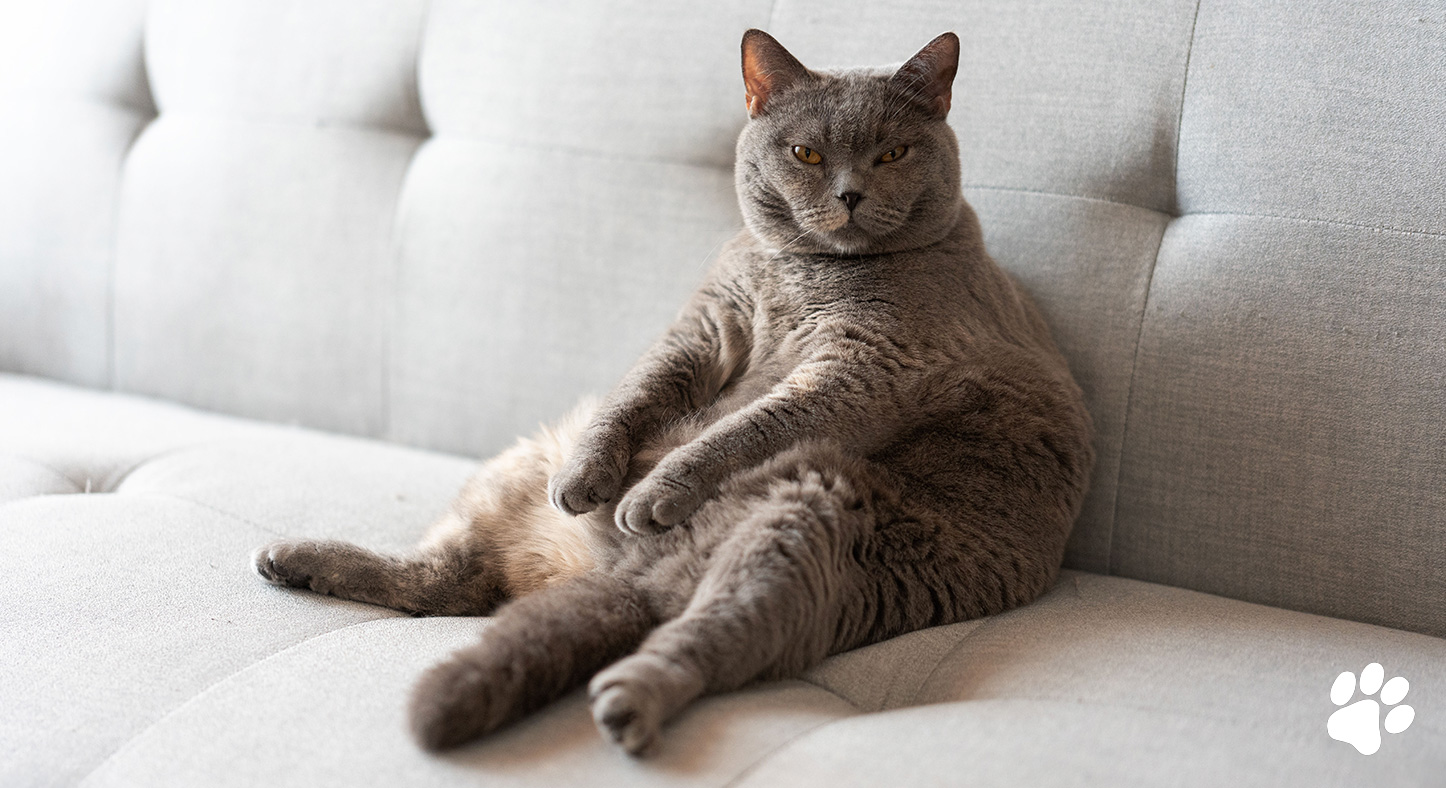
In dogs, even a few extra kilos can make running, playing and climbing stairs difficult. In cats, obesity can reduce their flexibility, limit grooming, and lead to painful bladder or kidney issues.
Did you know? A 2020 Australian veterinary study found that dogs with a healthy body weight live, on average, 1.8 years longer than their overweight counterparts.
The good news? Pet obesity is preventable (and treatable) with early intervention and professional guidance.
Recognising an Overweight or Obese Pet
Sometimes, it’s hard to spot weight gain in pets, especially if it happens slowly over time. The fluffy coat of a long-haired cat or the natural stockiness of certain dog breeds can also make it tricky.
Here’s what to look for:
- Loss of waistline – a healthy pet should have a visible waist when viewed from above.
- Fat deposits – check for fat around the base of the tail, chest, and lower back.
- Difficulty feeling ribs – you should be able to easily feel (but not see) your pet’s ribs with gentle pressure.
- Lethargy – overweight pets often lack the energy they once had.
- Shortness of breath – even mild activity can leave an overweight pet puffing.
If you’re thinking, “my cat is fat,” or asking yourself “is my dog fat?” — a professional weight check at your local vet is the best way to know for sure.
Obesity in Puppies and Kittens: Why Early Habits Matter
Puppies and kittens do go through chubby phases as they grow, but excessive weight at a young age can set them up for health challenges later in life. While that roly-poly belly might look cute, it’s not a healthy norm.
Key things to watch for in young pets:
- Overfeeding – especially in large breeds. Excess calories can lead to poor joint development.
- Too many treats – training treats are great, but they still count towards daily calories.
- Limited activity – ensure your young pet has regular, age-appropriate playtime.
Early education around pet weight loss tips and nutrition sets the tone for a lifetime of healthy habits.
Common Causes of Obesity in Pets
Understanding why pets gain weight helps you take steps to address it. Common causes include:
- Overfeeding – even a slight daily excess can lead to weight gain over time.
- High-calorie treats – many commercial treats are calorie-dense and not nutritionally balanced.
- Lack of exercise – especially in indoor pets or those with mobility issues.
- Neutering – while important, desexed pets have a slower metabolism and may require fewer calories.
- Underlying medical issues – including hypothyroidism or Cushing’s disease.
Weight Management in Adult Dogs and Cats
If you’re thinking “my dog is fat” or “my cat is fat”, it’s time for action. Managing weight in adult pets involves a combination of controlled feeding, regular exercise, and support from your vet.
Steps to take:
- Start with a vet check – rule out any underlying issues and discuss safe weight-loss goals.
- Switch to a prescription weight-loss food – these are high in fibre and protein, and low in fat.
- Measure every meal – avoid guesswork with a proper measuring cup or kitchen scale.
- Cut out table scraps – human food is often too rich and fatty for pets.
- Use healthy pet treats – opt for vet-approved options with fewer calories.
If you need help with a weight-loss plan or product recommendation, our team is here to support you and your pet every step of the way.
Exercise Ideas for Your Pets: Indoors and Out
Movement is essential, especially for overweight dogs and indoor cats.
Exercise for dogs:
- Short walks (build up gradually)
- Gentle games of fetch
- Tug-of-war with a soft rope toy
- Sniff walks or scent games for mental stimulation
- Treadmill training (under vet guidance)
Exercise for cats:
- Laser pointer chases
- Feather wand play
- Puzzle feeders and food-dispensing toys
- Climbing towers and scratching posts
Tip: Keep sessions short and fun to avoid overexertion. Older pets with arthritis may need modified activities — check with Normanhurst Vet for advice.
The Role of Enrichment in Weight Management
Enrichment isn’t just about fun; it’s also a key tool in preventing obesity in pets. Mental stimulation encourages activity, reduces boredom (which can lead to overeating), and helps keep pets engaged between meals.
Snuffle Mats, Puzzle Toys & Slow Feeders
These enrichment tools are ideal for both cats and dogs, particularly those on a calorie-controlled diet:
- Snuffle mats encourage dogs to “forage” for food, mimicking natural scavenging behaviours.
- Puzzle feeders and interactive toys stimulate problem-solving, prolong feeding times, and provide a mental workout.
- Slow feeders are especially helpful for pets who tend to gobble their food, promoting better digestion and satiety.
These tools can also reduce stress and anxiety, which is especially important in multi-pet households or with animals who have mobility restrictions. They’re easy to integrate into daily feeding routines and can be rotated to keep interest high.
For more detailed information on enrichment options, their benefits, and how to introduce them safely, see this guide: Enrichment Activities for Cats and Dogs – Pet Circle
Low-Fat Diets and Nutrition Tips
Feeding for weight loss doesn’t mean your pet has to feel hungry or deprived. The key is quality over quantity.
- Look for low-fat diets for dogs and balanced cat diets specifically designed for weight control.
- Choose treats made from single ingredients (like freeze-dried chicken or air-dried lean beef).
- Offer fresh veggies like green beans, zucchini, or carrots (dogs only, some veggies can upset your cats’ digestion).
- Look local! Your pet food supplier will likely have lean single protein options that could be added to your pets regular meal. Kangaroo is a widely available source, is low fat, high quality protein and well accepted by cats and dogs. However,…
- … Make sure meals are nutritionally appropriate! Cats and dogs have very specific and differing dietary needs, so we will be happy to advise what can be added (and what quantities to add) to provide the best species-specific balanced diet.
And always avoid:
- Fatty cuts of meat (lamb, in particular, can have a high fat content if not trimmed carefully)
- Cheese and processed snacks
- Anything with added sugar or salt
Healthy Treat Recipes for Your Dog
If you’re looking for vet-friendly alternatives to store-bought snacks, try these simple recipes:
Fresh Vegetable & Fruit Slices
Crunchy veggies like green beans and carrots, or fruit like apple slices, can be a great low-calorie treat for dogs. Always slice these lengthwise, especially for smaller breeds, to reduce the risk of choking. Apple seeds and cores must be removed as they are toxic to dogs. These fresh treats can be offered during training, enrichment games or as a daily crunchy snack. They’re nutritious, low in fat and easy to prepare.
Frozen Pea Scatter Game
Frozen peas make a fun and interactive treat when scattered across a floor or lawn. This encourages your dog to engage in scent-based exploration and movement. It’s especially beneficial for overweight dogs as it gently incorporates light activity into their routine while offering a healthy, low-calorie reward.
Air-Dried Chicken Bites (Dogs and Cats)
- Cut lean chicken breast into small pieces
- Place in air dryer or oven on lowest temp (approx. 70°C) for 3–4 hours until fully dried
- Store, refrigerated, in an airtight container for up to 5 days
TIP: A chicken breast can be placed in the freezer for about an hour to harden slightly which makes cutting much easier. Cutting across the grain is easier than lengthwise and makes the dried treats easier to pull apart into smaller pieces.
Healthy Treat Recipes for Your Cat
Chicken or Fish Stock for Cats
(Makes approx. 500ml)
A homemade stock can help encourage hydration and enhance dry food palatability.
Ingredients:
1–2 skinless chicken drumsticks (bone in) or 100g low-fat fish with bones (e.g. whitefish or sardines in water, no added salt)
700ml water
Optional: 1 small slice of carrot (for added flavour. No onion or garlic)
Method:
Place chicken or fish and water into a saucepan.
Bring to a gentle boil, then reduce heat and simmer for 30–40 minutes.
Remove from heat and let cool.
Strain the liquid carefully, ensuring all bones are removed.
Store in the fridge for up to 3 days, or freeze in ice cube trays for easy portioning.
Uses:
Add to dry kibble for flavour and moisture
Mix into wet food for extra hydration
Offer diluted as a standalone drink to encourage fluid intake
TIP: Always check with your vet first to ensure this is appropriate for your cat’s individual dietary needs.
Frozen Tuna Cubes
Mash plain tinned tuna in spring water (no brine or oil), mix with a splash of water and freeze into small silicone moulds or ice cube trays. Offer sparingly, as tuna is rich and should be used as a treat only, but it’s a tasty, cooling option in warmer weather or as a special reward.
Tuna & Pumpkin Cat Cookies
Ingredients:
1 can tuna in springwater
1 tablespoon plain pumpkin purée
1 tablespoon oat flour
Method:
Mix and form into small balls
Bake at 160°C for 10 minutes until firm
Cool before serving (1 or 2 max per day)
REMEMBER: Always check with your vet before introducing new treats, especially if your pet has food allergies or a sensitive stomach.
Tailored Advice From Your Local Vet
Every pet is unique, and what works for one may not suit another. Your pet’s age, breed, health history, and lifestyle all affect their ideal weight and feeding plan.
At Normanhurst Vet Practice, we can create a tailored program to help your pet shed kilos safely — whether that’s recommending cat obesity treatment, planning a weight-loss diet, or exploring mobility supplements.
And for pets who get stressed travelling to the clinic? Ask us about our Mobile Vet Van, available to bring compassionate, professional care to your home. This is especially helpful for pets with limited mobility or anxiety.
FAQs About Pet Obesity
1. How can I tell if my pet is overweight?
Check for a visible waistline, ease of feeling ribs, and general mobility. Our vets can perform a Body Condition Score (BCS) check to determine their ideal weight.
2. Can obesity shorten my pet’s life?
Yes. Excess weight is linked to chronic disease, pain, and a shorter lifespan.
3. What are healthy treats for cats?
Options include freeze-dried meat treats, small pieces of cooked lean chicken, or tiny tuna biscuits (in moderation).
4. What’s the best way to help an overweight dog?
Start with a vet assessment, then switch to a weight-loss diet, increase daily exercise, and cut out high-calorie treats.
5. Can cats go on diets like dogs?
Yes, but cat diets must be handled carefully — they require specific nutrients and should never fast. Always consult your vet.
Let’s Keep Them Lighter, Livelier, Happier, and Healthier
Helping your pet maintain a healthy weight is one of the most impactful things you can do to support their long-term wellbeing. Whether you’re managing a dog with arthritis, feeding a chunky kitten, or trying to answer “is my cat fat?”, the team at Normanhurst Vet is here to guide you.
Through tailored support, pet weight loss tips, mobility help, and nutrition plans, we’ll make sure your best friend gets the care they deserve.
Give us a call to book a consultation or inquire about our mobile vet visits for pets that struggle to travel.