

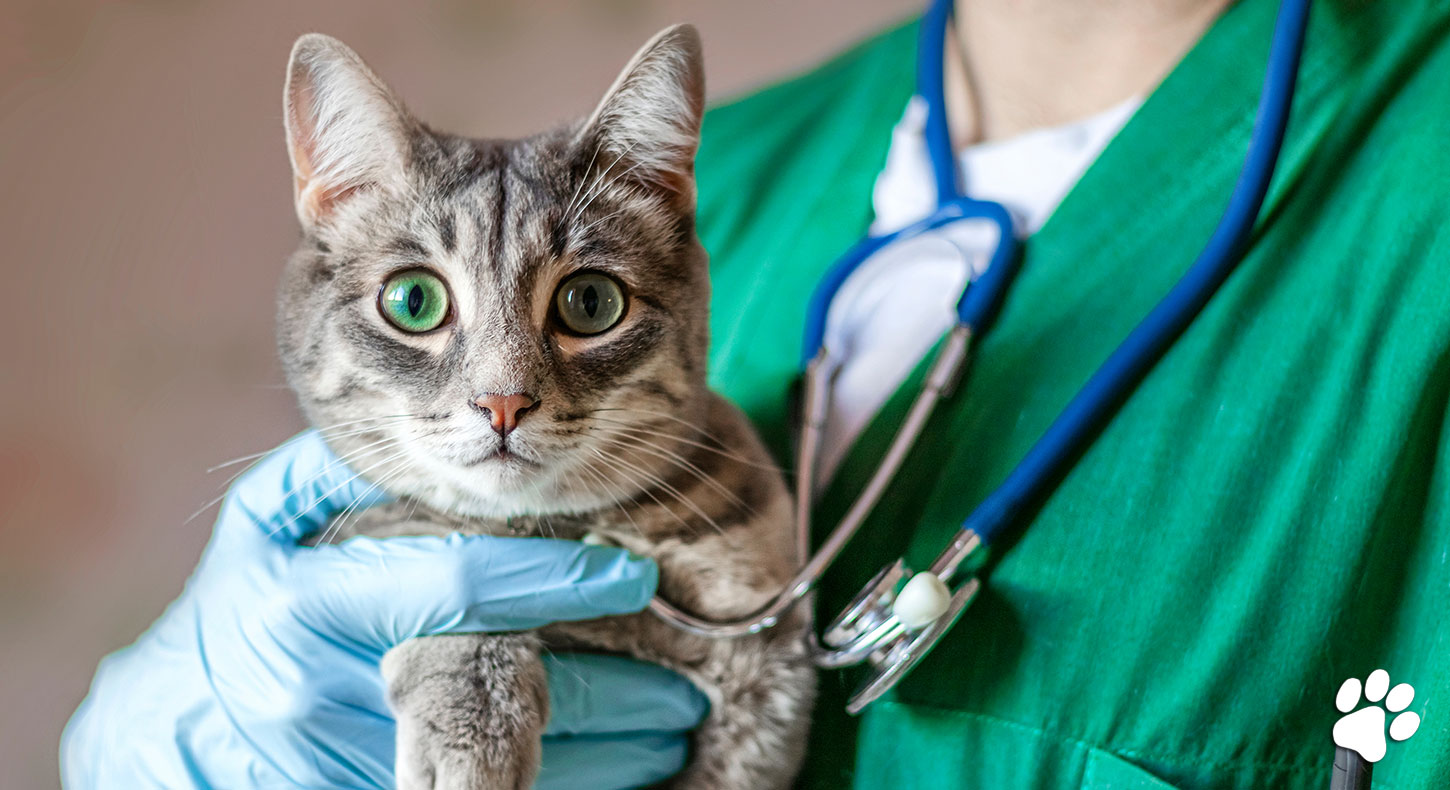
What Happens During a Pet Health Check? Dr Matt Explains
Many pet owners book a veterinary appointment for vaccinations or when something seems wrong. Fewer think about what a routine health check actually involves.
A comprehensive pet health check is far more than a quick look over your dog or cat. It is an opportunity to detect subtle changes early, discuss behaviour and lifestyle, and prevent small issues from becoming serious problems.
At Normanhurst Vet, routine health checks are structured, thorough and tailored to your pet’s age, breed and medical history. Here is what you can expect.
Why Routine Health Checks Matter
Dogs and cats age more quickly than humans. A single year in a pet’s life can represent several human years, particularly for senior animals.
This means medical conditions can develop and progress between annual visits. Early detection often allows simpler, more affordable treatment and better long-term outcomes.
Routine examinations commonly identify:
- Early dental disease
- Weight gain or weight loss
- Heart murmurs
- Skin conditions
- Arthritis
- Subtle behavioural changes linked to discomfort
Preventative care is not about finding problems where none exist. It is about recognising small changes before they impact your pet’s quality of life.
The Consultation Begins With Conversation
Before any physical examination, we begin by asking questions.
You know your pet better than anyone. Changes at home often provide the earliest clues.
We may ask about:
- Appetite and water intake
- Energy levels
- Exercise tolerance
- Toileting habits
- Behaviour changes
- Diet and treats
- Travel or boarding plans
Even small changes can be clinically relevant. For example, drinking slightly more water or hesitating before jumping into the car may indicate an emerging issue.
This discussion helps guide the physical examination and determine whether further tests are needed.
The Physical Examination: Step by Step
A structured physical exam allows us to assess multiple body systems efficiently and thoroughly.
Weight and Body Condition Score
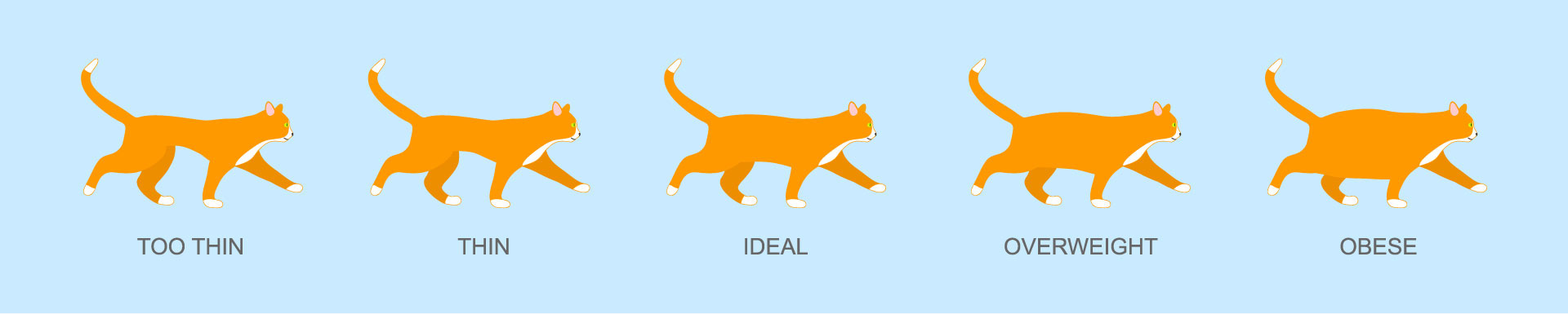
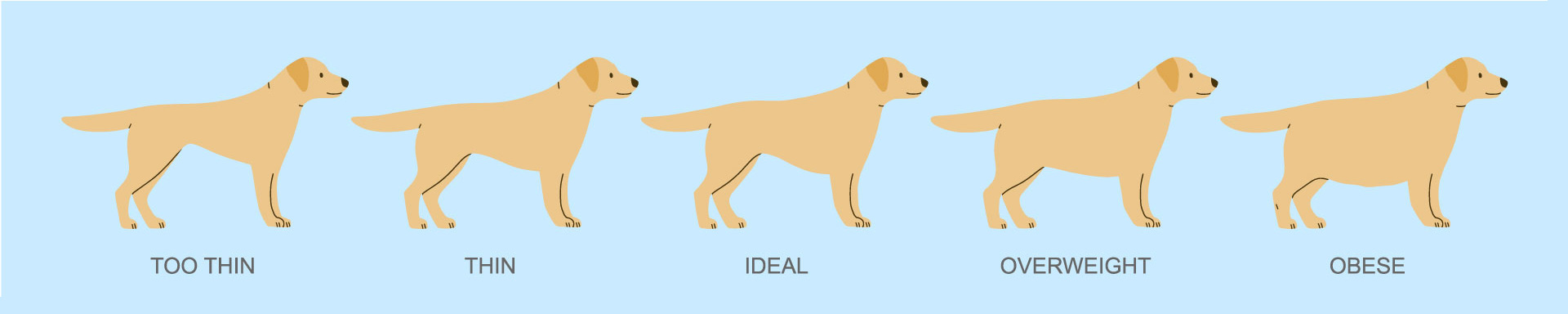
Your pet is weighed and assessed for body condition. This involves more than reading a number on the scale.
We assess fat coverage over the ribs, waist definition and abdominal tuck. Gradual weight gain is common and can contribute to arthritis, diabetes and heart disease.
If needed, we may recommend a tailored weight management plan.
Heart and Lungs
Using a stethoscope, we listen carefully to the heart and lungs.
We assess:
- Heart rate and rhythm
- Presence of murmurs
- Lung sounds
- Breathing effort
Heart murmurs can develop without obvious symptoms. Detecting them early allows monitoring or further investigation before more serious complications arise.
Eyes and Ears
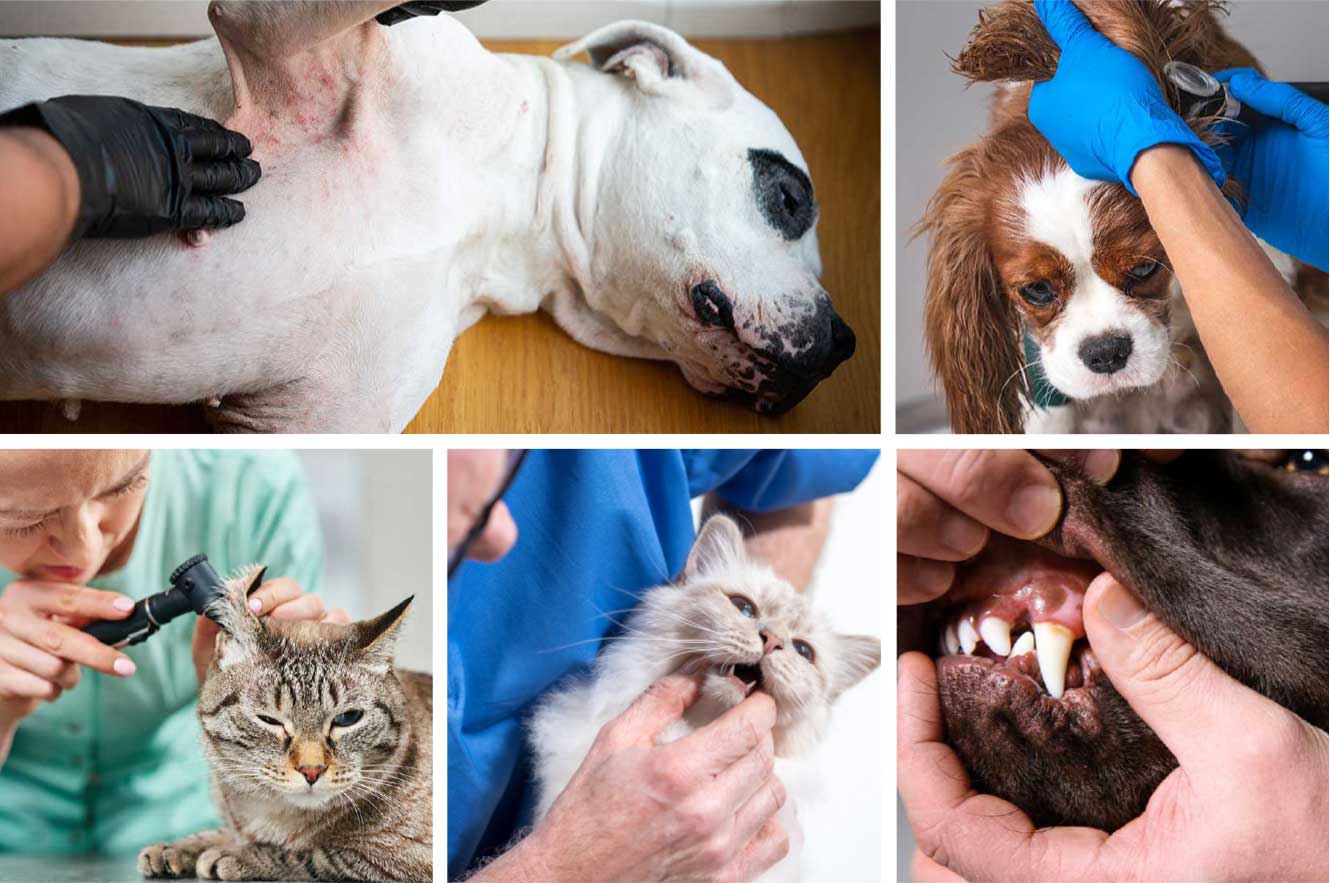
We examine the eyes for clarity, redness, discharge and signs of discomfort.
Ears are checked for inflammation, infection, wax build-up or odour. Chronic ear infections are particularly common in dogs with allergies.
Mouth, Teeth and Gums
Dental disease is one of the most frequently diagnosed conditions in adult pets.
We assess:
- Tartar build-up
- Gum inflammation
- Broken or loose teeth
- Oral pain
Bad breath is often an early sign of periodontal disease. Untreated dental infection can cause significant discomfort and may affect overall health.
If concerns are identified, we may recommend professional dental treatment or home care strategies.
Skin and Coat
The skin is the body’s largest organ and often reflects underlying health.
We look for:
- Hair loss
- Redness
- Parasites
- Lumps or bumps
- Signs of irritation
New lumps should always be assessed, particularly in older pets. Many are benign, but some require monitoring or testing.
Abdomen
Gentle palpation of the abdomen allows us to assess organ size, bladder fullness and areas of discomfort.
While not all internal issues can be detected by touch alone, changes may prompt further diagnostics such as blood tests or imaging.
Mobility and Joints
Subtle stiffness may not be obvious at home.
We assess:
- Range of motion
- Muscle tone
- Pain response
- Gait
Early arthritis is easier to manage when identified promptly.
Common Issues We Detect Early
Many significant health conditions begin quietly.
Routine health checks often identify:
- Early-stage dental disease
- Mild heart murmurs
- Gradual weight gain
- Emerging arthritis
- Skin allergies
- Early kidney or thyroid changes in senior pets
When detected early, management is typically simpler and less invasive.
Vaccinations and Preventative Care Review
A health check is also the ideal time to review preventative strategies.
We assess:
- Vaccination status in line with Australian guidelines
- Parasite prevention, including fleas, worms and ticks
- Diet and nutrition
- Desexing status
- Microchip details
Preventative care protects not only your pet, but also the broader community.
When Further Tests Are Recommended
Sometimes, the examination or history suggests additional testing.
This may include:
- Blood tests
- Urine tests
- Blood pressure measurement
- Imaging such as x-rays or ultrasound
For pets over seven years of age, routine senior screening can detect early organ changes before symptoms appear.
Additional tests are recommended carefully and based on clinical findings, not as a routine upsell.
How Often Should Pets Have a Health Check?
For most adult dogs and cats, annual health checks are appropriate.
Senior pets, generally over seven years of age, often benefit from examinations every six months due to the faster progression of age-related disease.
Puppies and kittens require more frequent visits during their vaccination and development period.
If you are unsure what schedule suits your pet, we can provide tailored guidance.
The Value of Prevention
Emergency visits will always be part of veterinary medicine. However, many emergencies develop from underlying issues that began subtly.
Routine health checks provide an opportunity to:
- Detect disease early
- Optimise weight and nutrition
- Manage pain proactively
- Update preventative care
- Answer questions before they become urgent concerns
Preventative care is one of the most effective ways to protect your pet’s comfort and longevity.
When to Book an Appointment
If it has been more than 12 months since your pet’s last examination, or if you have noticed changes in appetite, mobility, behaviour or weight, it may be time to schedule a health check.
Our veterinary team at Normanhurst Vet provides comprehensive, tailored assessments for dogs and cats at every life stage.