

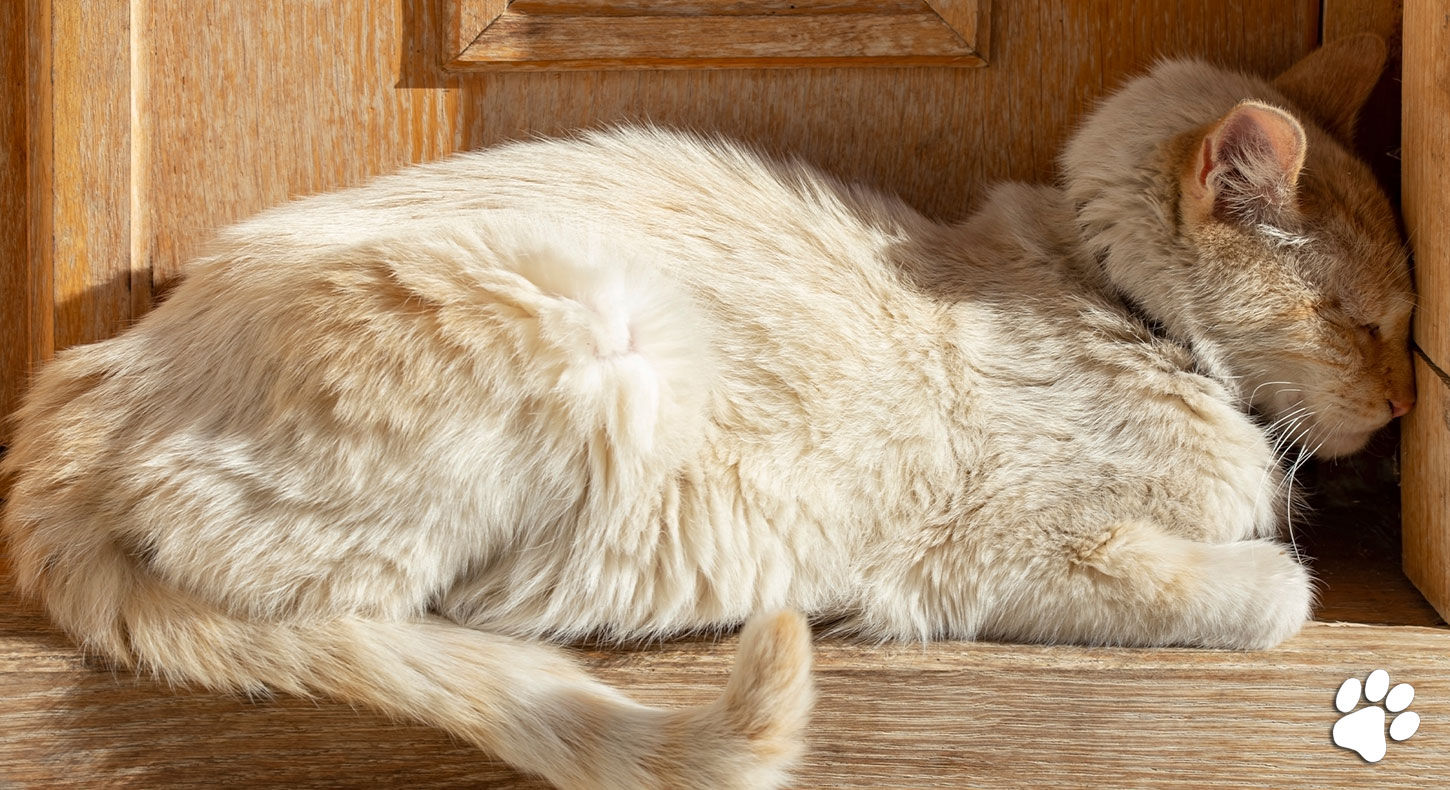
How to Tell If Your Pet Is in Pain: Signs Dog and Cat Owners Should Not Ignore
One of the most common questions we hear from pet owners is, “How do I know if my pet is in pain?”
Unlike humans, dogs and cats rarely express discomfort in obvious ways. They do not usually cry out or point to the area that hurts. Instead, pain often appears as subtle behavioural or physical changes.
Recognising those changes early allows for faster treatment, better recovery and improved quality of life.
Why Pets Hide Pain
In the wild, showing weakness can make an animal vulnerable. Although our pets live safely at home, that instinct to mask discomfort remains.
This is especially true for cats, who often continue eating and interacting normally even when unwell.
As a result, many painful conditions progress quietly until they become more advanced.
Signs of Pain in Dogs
Pain in dogs can be acute, such as after an injury, or chronic, such as with arthritis or dental disease.


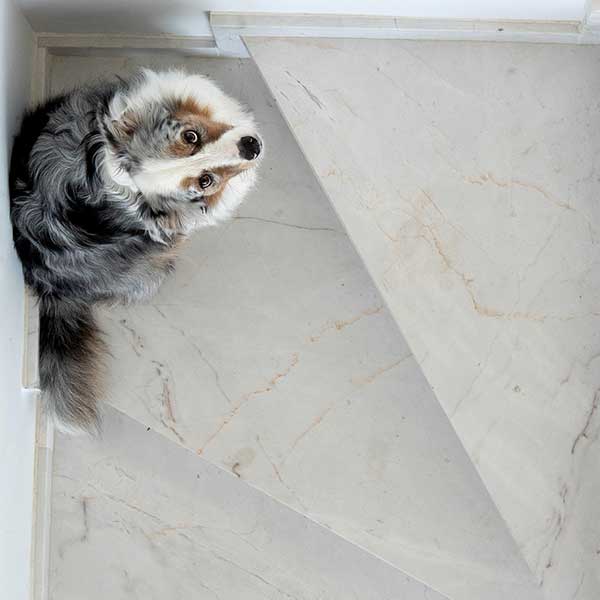
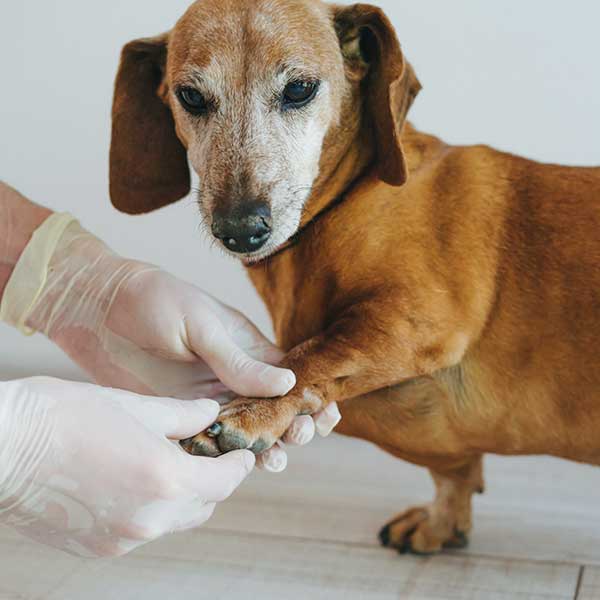
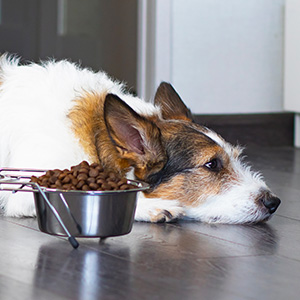
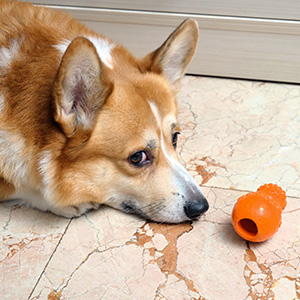
Common behavioural signs
- Reduced enthusiasm for walks
- Reluctance to jump into the car or onto furniture
- Stiffness after resting
- Irritability or snapping when touched
- Restlessness or difficulty settling
Physical signs
- Limping or favouring a limb
- Panting at rest
- Shaking or trembling
- Changes in posture, such as a hunched back
- Licking a specific area repeatedly
Panting is sometimes overlooked. While it can be normal after exercise or in warm weather, persistent panting indoors at rest may indicate discomfort.
Even subtle shifts in behaviour, such as becoming less playful or more withdrawn, can be meaningful.
Signs of Pain in Cats
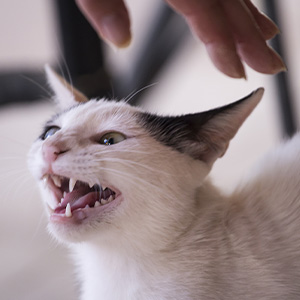
Cats are particularly skilled at masking discomfort. Their signs are often quieter and easier to dismiss.



Behavioural changes
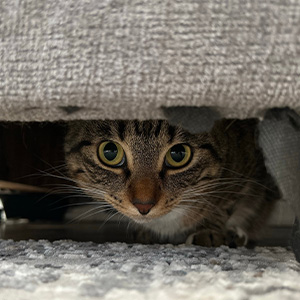
- Hiding more than usual
- Reduced interaction with family members
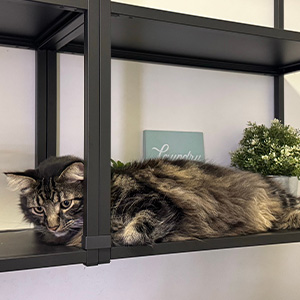
- Sleeping in unusual locations
- Irritability when handled
Grooming changes
- Over-grooming one area
- Matted or unkempt coat due to reduced grooming
- Greasy or scruffy appearance
Mobility and toileting changes
- Jumping onto lower surfaces only
- Avoiding stairs
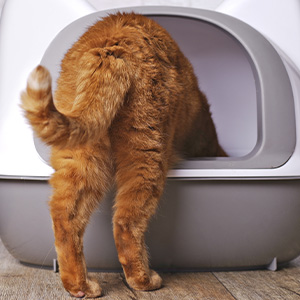
- Urinating outside the litter tray
- Difficulty getting in and out of the tray
Owners sometimes attribute these changes to ageing or personality shifts. In many cases, they reflect joint pain, dental discomfort or internal illness.
Acute Pain vs Chronic Pain
Understanding the difference between acute and chronic pain can help guide urgency.
Acute pain
Often sudden and linked to:
- Injury
- Bite wounds
- Abscesses
- Gastrointestinal obstruction
- Snake or tick envenomation
Signs are usually more dramatic and may include vocalisation, obvious limping, vomiting or collapse. Acute pain should always be assessed promptly.
Chronic pain
More gradual and commonly associated with:
- Arthritis
- Dental disease
- Chronic ear infections
- Long-standing skin conditions
- Certain internal diseases
Chronic pain alters behaviour over time. Pets may simply seem “slower” or “less interested”. Because the progression is gradual, it can be easy to normalise these changes.
Early intervention often significantly improves comfort.
Subtle Signs Owners Often Miss
Some of the earliest indicators of pain are easily overlooked.
Changes in appetite
A pet who suddenly prefers softer food may be experiencing dental discomfort.
Behavioural withdrawal
A normally social dog who begins resting away from the family may be avoiding interaction due to discomfort.
Changes in breathing
Rapid or shallow breathing at rest can be associated with pain.
Altered posture
Dogs with abdominal discomfort may adopt a “prayer position”, with front legs extended and hindquarters raised.
Cats with back pain may sit with a hunched appearance.
If something feels different about your pet’s behaviour, even if you cannot identify a specific symptom, it is worth discussing.
Why Early Assessment Matters
Pain is not only uncomfortable. It affects mobility, mood, appetite and sleep.
Untreated pain can:
- Delay healing
- Contribute to muscle loss
- Alter behaviour
- Reduce overall quality of life
Modern veterinary medicine offers a range of pain management options, including anti-inflammatory medication, adjunct therapies, dietary support and environmental adjustments.
The earlier pain is identified, the broader the management options.
What Happens During a Pain Assessment?
If you bring your dog or cat in for suspected discomfort, the consultation typically includes:
- A detailed history of behavioural changes
- Physical examination
- Joint manipulation and mobility assessment
- Oral examination
- Neurological checks where indicated
Depending on findings, further tests such as blood work or imaging may be recommended.
The goal is not simply to prescribe medication, but to identify the underlying cause and develop an appropriate plan.
Should You “Wait and See”?
Mild strains or short-lived digestive upsets can sometimes resolve. However, if signs persist beyond 24 to 48 hours, or worsen, veterinary assessment is advisable.
Immediate care is required if you observe:
- Collapse
- Laboured breathing
- Uncontrolled vomiting
- Inability to stand
- Suspected toxin ingestion
- Signs of tick paralysis
When in doubt, a phone call to your veterinary team can help determine urgency.
Supporting a Pet With Chronic Pain
For pets diagnosed with chronic conditions such as arthritis, small environmental adjustments can make a meaningful difference.
Consider:
- Soft bedding
- Non-slip flooring
- Ramps instead of stairs
- Elevated food bowls where appropriate
- Maintaining a healthy body weight
Regular reassessment ensures pain control remains effective as conditions progress.
Trust Your Observations
Owners are often the first to notice subtle changes. You do not need to wait for dramatic symptoms before seeking advice.
If your dog or cat seems different, quieter, slower or less engaged than usual, it may be time for a professional assessment.
Our veterinary team at Normanhurst Vet provides thorough pain evaluations and tailored management plans to help restore comfort and quality of life.