

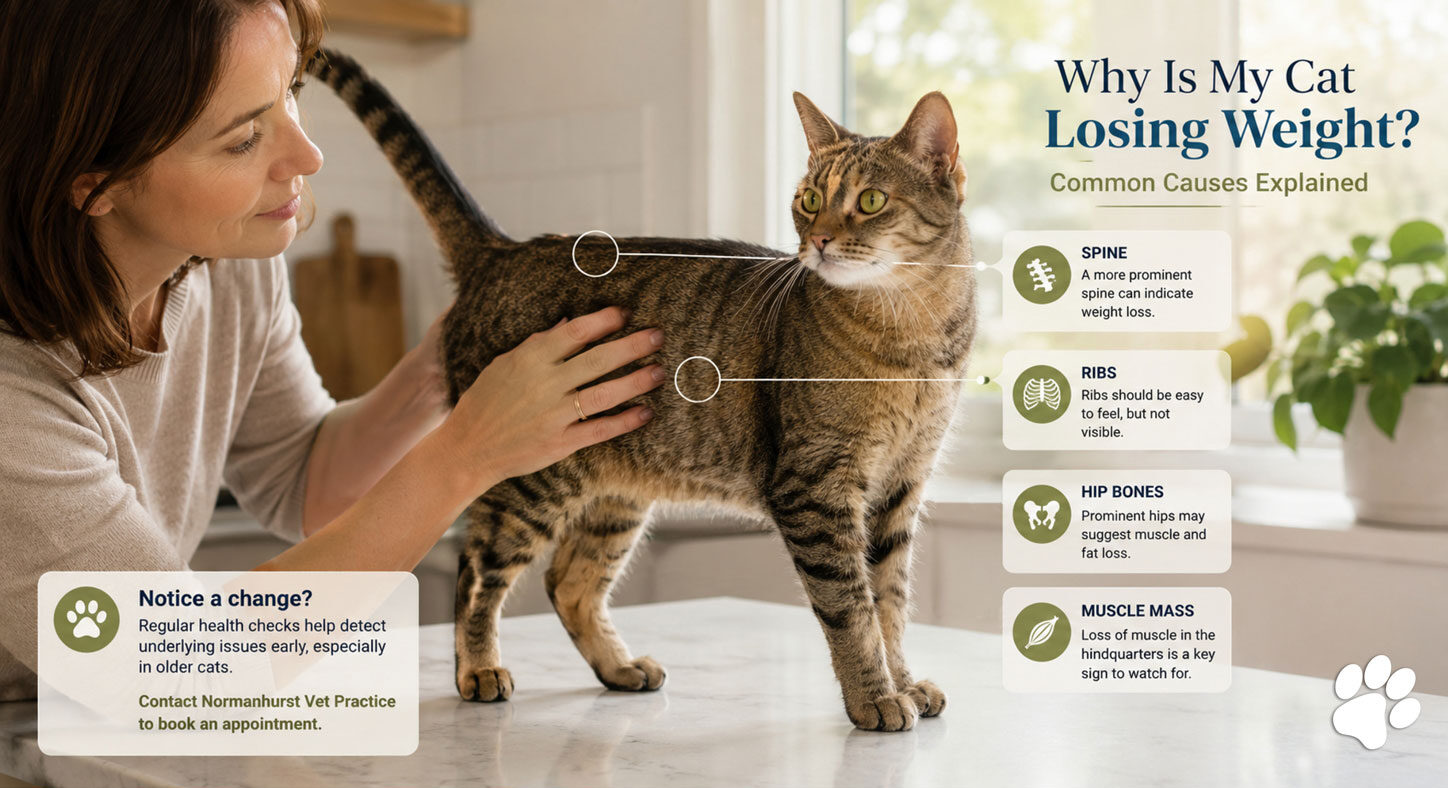
Why Is My Cat Losing Weight? Common Causes Explained
Cats are masters at hiding illness. Unlike dogs, who often make it obvious when they’re feeling unwell, cats can continue their normal routines while quietly developing health problems behind the scenes.
One of the most important changes cat owners should watch for is unexplained weight loss. Whether your cat has gradually become thinner over several months or you’ve noticed a sudden drop in weight, it is often a sign that something isn’t quite right.
While some causes of weight loss in cats are relatively straightforward to manage, others require prompt veterinary attention. The good news is that early diagnosis often leads to better outcomes and a better quality of life for your feline companion.
If you’ve found yourself wondering, “Why is my cat losing weight?”, this guide explains some of the most common causes, what signs to look for, and when it’s time to book a veterinary appointment.
Is Weight Loss Always a Cause for Concern?
Not every change in weight is a sign of illness.
Young, active cats may naturally become leaner as they mature. Some cats may also lose a small amount of weight following a dietary change or increased activity level.
However, unexplained weight loss in cats should never be ignored, particularly if:
- Your cat is over seven years of age
- Weight loss continues over several weeks
- Appetite changes occur
- You notice increased thirst or urination
- Your cat seems less active than usual
Cats generally maintain a fairly stable weight throughout adulthood. When a cat begins losing weight without an obvious reason, it is important to investigate the cause.
How Do I Know If My Cat Is Losing Weight?
Gradual weight loss can be surprisingly difficult to spot, especially if you see your cat every day.
Some common signs include:
- More visible ribs
- A more prominent spine
- Noticeable hip bones
- A narrower waistline
- Reduced muscle over the shoulders and back legs
- A thinner face or sunken appearance around the eyes
Long-haired cats can be particularly deceptive because their coat may hide changes in body condition.
Regularly running your hands over your cat’s body can help you detect subtle changes that might not be obvious visually.
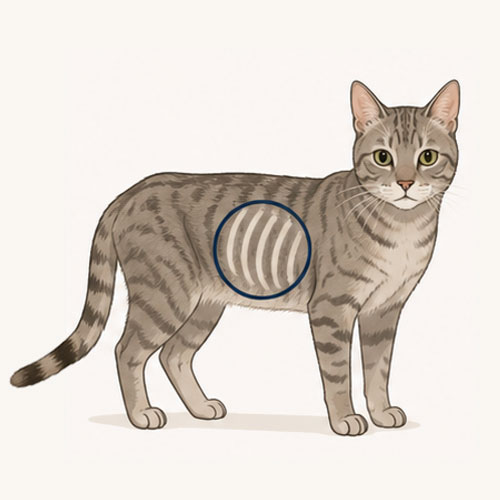
MORE
VISIBLE RIBS
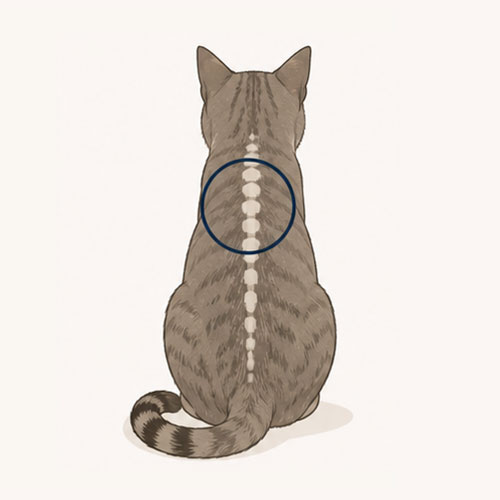
A MORE PROMINENT SPINE
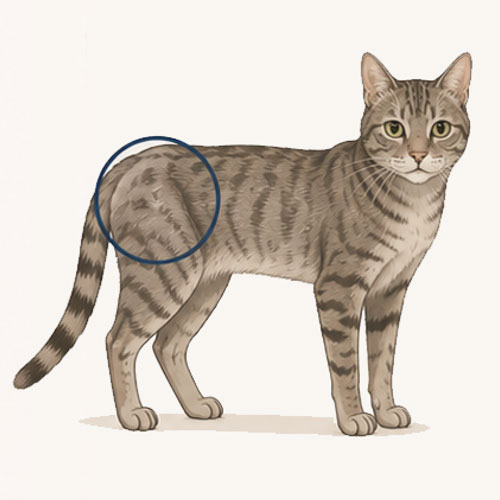
NOTICEABLE HIP BONES
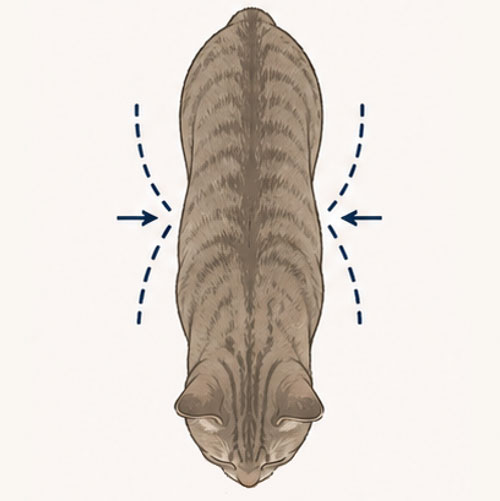
A NARROWER WAISTLINE
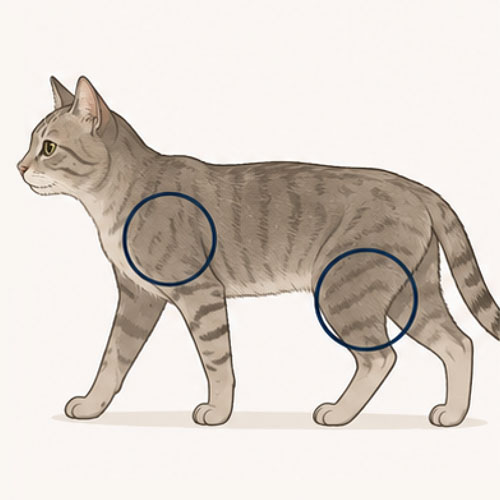
REDUCED
MUSCLE TONE
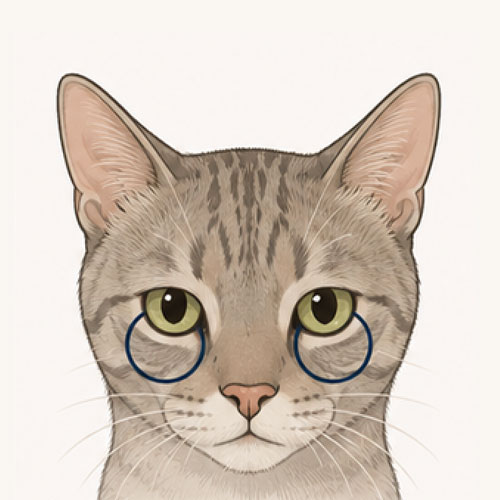
A THINNER
FACE
Common Causes of Weight Loss in Cats
There are many potential causes of feline weight loss. Some are more common in younger cats, while others tend to affect older cats.
Hyperthyroidism
Hyperthyroidism is one of the most common medical conditions affecting senior cats.
The thyroid gland produces hormones that regulate metabolism. When too much thyroid hormone is produced, the body’s metabolic rate increases dramatically.
Cats with hyperthyroidism often burn calories faster than they can replace them, leading to weight loss even when they continue eating normally.
Common hyperthyroidism cat symptoms include:
- Weight loss despite a good appetite
- Increased thirst
- Increased urination
- Hyperactivity
- Restlessness
- Vomiting
- Changes in coat quality
Because many of these signs develop gradually, owners may not recognise a problem until significant weight loss has occurred.
Chronic Kidney Disease
Chronic kidney disease is another common cause of weight loss in older cats.
The kidneys play a vital role in filtering waste products from the bloodstream. As kidney function declines, cats may begin to lose weight due to reduced appetite, muscle loss, and changes in nutrient processing.
Signs of kidney disease in cats may include:
- Increased thirst
- Increased urination
- Weight loss
- Reduced appetite
- Nausea
- Poor coat condition
- Lethargy
Kidney disease often develops slowly, making regular health checks especially important for senior cats.
Diabetes Mellitus
Diabetes occurs when the body cannot properly regulate blood sugar levels.
Despite eating normally, or sometimes even eating more than usual, diabetic cats may lose weight because their bodies are unable to effectively use glucose as an energy source.
Common diabetes in cats symptoms include:
- Increased thirst
- Increased urination
- Weight loss
- Increased appetite
- Reduced energy levels
Early diagnosis can significantly improve management and quality of life.
Dental Disease
Dental disease is one of the most overlooked cat weight loss causes.
Cats are remarkably good at hiding oral pain. A cat with sore teeth may continue approaching the food bowl and appear hungry but struggle to eat comfortably.
Signs of dental disease may include:
- Bad breath
- Dropping food while eating
- Eating more slowly
- Preference for softer foods
- Pawing at the mouth
- Weight loss
Routine dental examinations can help identify problems before they become severe.
Gastrointestinal Disorders
A range of digestive disorders can interfere with nutrient absorption and contribute to weight loss.
These may include:
- Inflammatory bowel disease (IBD)
- Food sensitivities
- Intestinal infections
- Pancreatic disease
- Digestive tract disorders
In some cases, gastrointestinal disease may be accompanied by vomiting, diarrhoea, or changes in appetite. However, some cats show very few signs beyond gradual weight loss.
Intestinal Parasites
Although parasites are more common in kittens and outdoor cats, they can occasionally contribute to weight loss in adult cats.
Common parasites include:
- Roundworms
- Hookworms
- Tapeworms
Regular parasite prevention remains an important part of maintaining your cat’s overall health.
Cancer
Cancer can affect cats of all ages but becomes more common in senior pets.
Depending on the type and location, cancer may cause:
- Weight loss
- Reduced appetite
- Lethargy
- Vomiting
- Changes in behaviour
While the word “cancer” understandably concerns many owners, it is important to remember that many other conditions can also cause weight loss. A veterinary examination is the best way to determine the underlying cause.
Why Older Cats Often Lose Weight
An older cat losing weight is one of the most common concerns raised during veterinary consultations.
As cats age, several factors can contribute to changes in body condition.
These include:
- Reduced muscle mass
- Changes in digestion and nutrient absorption
- Dental disease
- Chronic kidney disease
- Hyperthyroidism
- Diabetes
- Arthritis and reduced mobility
One important message for cat owners is that weight loss should never be dismissed as simply “old age”.
Ageing itself does not directly cause significant weight loss. More often, there is an underlying medical condition that deserves investigation.
Regular veterinary health checks become increasingly important as cats enter their senior years.
What If My Cat Is Losing Weight But Still Eating Normally?
Many owners are surprised when a cat is losing weight despite having a healthy appetite.
In fact, some of the most common medical conditions affecting cats can cause exactly this pattern.
If your cat is losing weight but eating normally, possible causes include:
- Hyperthyroidism
- Diabetes mellitus
- Early kidney disease
- Digestive disorders affecting nutrient absorption
A good appetite does not necessarily mean your cat is healthy.
When weight loss occurs despite normal food intake, veterinary assessment is particularly important because it often points towards an underlying metabolic or hormonal condition.
How Vets Diagnose Unexplained Weight Loss in Cats
Determining the cause of weight loss begins with a thorough veterinary examination.
At Normanhurst Vet Practice, we assess:
- Body weight and body condition
- Muscle condition
- Medical history
- Appetite changes
- Water consumption
- Behavioural changes
Depending on your cat’s age and symptoms, additional testing may include:
Blood Tests
Blood testing can help identify:
- Hyperthyroidism
- Kidney disease
- Diabetes
- Liver disease
- Infection and inflammation
Urine Testing
Urinalysis provides valuable information about:
- Kidney function
- Diabetes
- Urinary tract health
- Hydration status
Blood Pressure Assessment
High blood pressure is relatively common in older cats and is often associated with kidney disease and hyperthyroidism.
Diagnostic Imaging
In some cases, ultrasound or radiography may be recommended to investigate internal organs and identify underlying disease.
Having access to modern diagnostic equipment allows many conditions to be identified earlier, often before they become more serious.
When Should You Book a Veterinary Appointment?
If your cat has lost weight unexpectedly, it is worth scheduling an appointment sooner rather than later.
We recommend seeking veterinary advice if you notice:
- Ongoing weight loss
- Increased thirst
- Increased urination
- Reduced appetite
- Vomiting
- Diarrhoea
- Behaviour changes
- Reduced grooming
- Lethargy
For senior cats, even subtle weight loss can provide an important clue that something is changing internally.
Early diagnosis often results in more treatment options and better long-term outcomes.
Helping Your Cat Maintain a Healthy Weight
While not all causes of feline weight loss can be prevented, there are several steps owners can take to support their cat’s long-term health:
- Feed a balanced, high-quality diet
- Maintain regular parasite prevention
- Schedule routine veterinary health checks
- Monitor body condition regularly
- Weigh your cat periodically
- Address dental issues promptly
- Watch for changes in appetite, drinking, or behaviour
Small changes are often the first indicators of a developing health problem.
Frequently Asked Questions
Why is my cat losing weight but still eating?
Conditions such as hyperthyroidism, diabetes, and some digestive disorders can cause weight loss despite a normal or increased appetite. A veterinary examination can help determine the cause.
Is weight loss normal in older cats?
No. While ageing can contribute to changes in muscle mass, significant weight loss should never be considered a normal part of getting older. Underlying medical conditions are often responsible.
What causes sudden weight loss in cats?
Sudden weight loss may be associated with illness, dental disease, digestive disorders, diabetes, hyperthyroidism, kidney disease, or other medical conditions. Prompt veterinary assessment is recommended.
Can hyperthyroidism cause weight loss in cats?
Yes. Hyperthyroidism is one of the most common causes of weight loss in older cats. Many affected cats continue eating well while losing weight because their metabolism is significantly increased.
When should I take my cat to the vet for weight loss?
Any unexplained weight loss should be investigated, particularly in senior cats. If weight loss is accompanied by increased thirst, vomiting, diarrhoea, appetite changes, or behavioural changes, veterinary attention should be sought promptly.
Weight Loss Is a Symptom, Not a Diagnosis
Weight loss is one of the most important health changes a cat owner can notice. While some causes are relatively minor, others, including hyperthyroidism, kidney disease, diabetes, and cancer, benefit from early diagnosis and treatment.
The sooner the cause is identified, the sooner your cat can receive the care they need to remain comfortable and healthy.
If your cat is losing weight, even if they seem otherwise well, the caring team at Normanhurst Vet Practice can help identify the underlying cause and recommend an appropriate treatment plan.
To book an appointment, please contact our friendly team on (02) 9489 6000.