

Autumn Pet Health Checklist for Sydney Dog and Cat Owners
As summer fades across Sydney’s Upper North Shore, many pet owners feel a sense of relief. The extreme heat has eased, beach trips slow down and daily walks become more comfortable.
From a veterinary perspective, however, autumn is not a “quiet” season. The risks simply shift.
At Normanhurst Vet, we typically see an increase in subtle mobility concerns, gradual weight gain, lingering paralysis tick cases and emerging skin problems during autumn. Cats in particular may begin to show behavioural changes that are easy to overlook.
This pet health checklist is designed to help you assess what matters most for your dog or cat as the weather cools.
1. Are You Still Protecting Against Paralysis Ticks?
Paralysis ticks remain a genuine risk in Sydney well into autumn, particularly in bush-adjacent suburbs such as Normanhurst, Thornleigh and Hornsby Heights.
Why ticks persist in autumn
Ticks thrive in humidity. A warm or wet autumn can extend their active period beyond what many owners expect. Each year, we treat tick paralysis cases after owners have relaxed prevention because “summer is over”.
What to review
- Is your tick prevention current and given on schedule?
- Are you performing daily tick checks?
- Has your pet recently visited long grass, bush tracks or coastal areas?
Dogs are most commonly affected, but cats are not immune.
Early signs of tick paralysis may include:
- Vomiting or regurgitation
- Weakness in the hind legs
- A change in bark or meow
- Laboured breathing
Tick paralysis is an emergency. If you notice these signs, seek immediate veterinary care.
You can read more about paralysis tick prevention and early warning signs in our detailed guide to tick protection and treatment.
2. Is Cooler Weather Revealing Early Arthritis?
Cooler mornings often make joint stiffness more noticeable.
Arthritis is common in both dogs and cats, yet early signs are subtle and frequently attributed to “slowing down”.
Signs in dogs
- Reluctance to jump into the car
- Slower to rise from rest
- Shortening walks voluntarily
- Stiffness after sleep
Signs in cats
- Jumping onto lower surfaces only
- Avoiding stairs in multi-level homes
- Decreased grooming, resulting in coat changes
- Toileting outside the litter tray due to discomfort climbing in
Arthritis is a progressive condition. Early management may include weight control, joint supplements, environmental adjustments and, when required, prescription medication.
If you are unsure whether your pet’s behaviour reflects ageing or discomfort, a pain assessment consultation can clarify the next steps.
3. Has Your Pet Gained Weight Since Summer?
Autumn often brings reduced activity. Combined with consistent treat habits, this can lead to gradual weight gain.
Even a small increase in body fat can worsen arthritis, diabetes risk and heart strain.
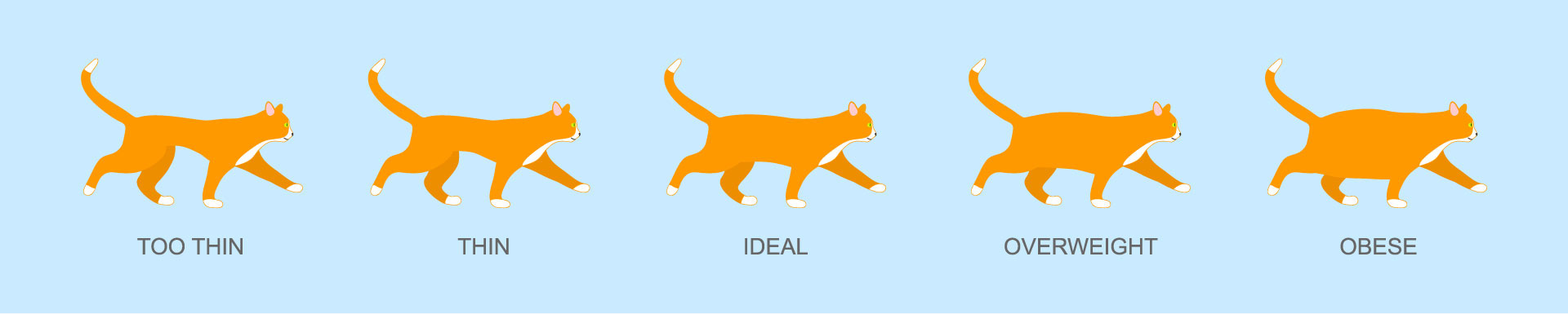
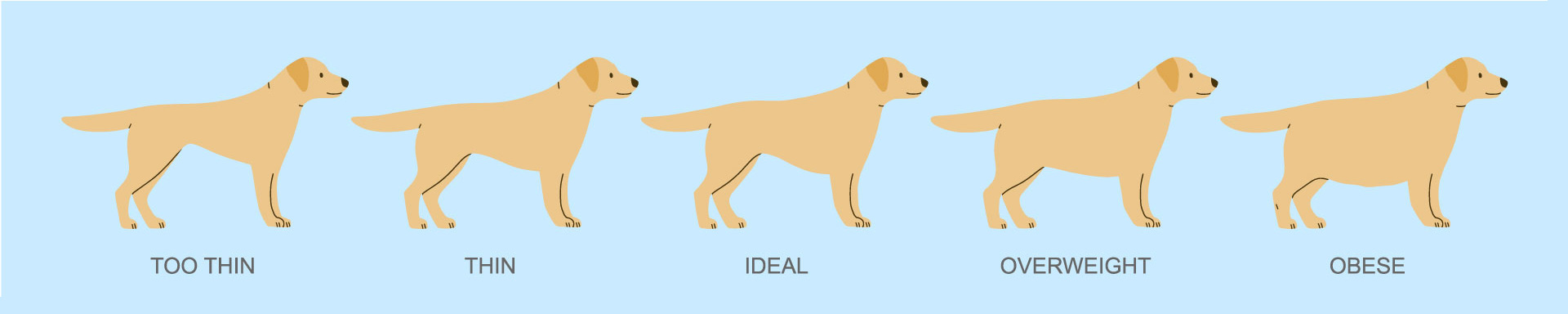
A simple at-home body check
- You should be able to feel your pet’s ribs without pressing firmly.
- There should be a visible waist when viewed from above.
- From the side, the abdomen should tuck upwards slightly.
Cats are particularly prone to incremental weight gain because changes occur slowly and are harder to notice under thickening coats.
Maintaining a healthy weight is one of the most effective long-term strategies for preventing chronic disease. If you are concerned, we offer nurse weight checks and tailored weight management plans to support safe fat loss.
4. Are Skin and Ear Problems Emerging?
Autumn allergies are common in Sydney. While spring pollen receives attention, mould spores from decaying leaves and damp garden areas can trigger irritation during cooler months.
Watch for
- Head shaking
- Ear redness or odour
- Excessive licking of paws
- Belly or inner thigh over-grooming
- Hair thinning in cats
Flea activity can also persist in warmer autumn periods, particularly in shaded or bushland properties.
Skin disease rarely resolves on its own. Early treatment prevents chronic ear infections and ongoing discomfort. Our guide to recognising early signs of dental and skin disease can help you identify changes before they escalate.
5. Is Your Pet’s Dental Health Being Overlooked?
Dental disease does not pause for seasonal change. In fact, as pets spend more time indoors during cooler weather, subtle signs may become more noticeable.
Common indicators
- Bad breath
- Drooling
- Pawing at the mouth
- Reluctance to chew harder foods
Periodontal disease is one of the most frequently diagnosed conditions in adult dogs and cats. Untreated infection can contribute to pain and systemic illness.
Autumn health checks are a practical time to assess oral health and discuss professional dental care if needed.
6. Are Digestive Changes Persisting?
Digestive upset is not exclusive to festive seasons. Intermittent vomiting or loose stools that continue into autumn should not be dismissed.
Monitor for:
- Ongoing soft stools
- Increased flatulence
- Reduced appetite
- Weight loss
- Lethargy
Persistent gastrointestinal symptoms warrant investigation. Our article on managing digestive health in dogs and cats explains common causes and when testing may be required.
7. Could Your Cat Be Hiding Early Disease?
Cats often mask illness, and seasonal behaviour changes can disguise warning signs.
Cats over seven years of age should ideally have routine health assessments at least annually, sometimes more frequently depending on medical history.
Early signs to watch
- Drinking more water
- Increased urination
- Gradual weight loss
- Behavioural withdrawal
- Sleeping in unusual locations
Conditions such as kidney disease, hyperthyroidism and diabetes can develop gradually. Early blood and urine testing significantly improves long-term management outcomes.
Autumn provides a sensible checkpoint before winter, when chronic disease symptoms may become more pronounced.
8. Are Outdoor and Garden Risks Changing?
As rainfall increases, new hazards appear.
Toxic mushrooms
Dogs are most at risk due to scavenging behaviour. Mushroom toxicity can progress rapidly and requires urgent care.
Compost and fertilisers
Autumn gardening increases exposure to mould toxins and chemicals.
Snakes
While activity decreases compared to peak summer, snakes may remain active during warm autumn days.
If ingestion or envenomation is suspected, do not wait for symptoms to worsen before seeking veterinary advice.
Autumn Health Planning for Senior Pets
For pets entering their senior years, autumn is an ideal time to review long-term health strategy.
Senior screenings may include:
- Blood testing
- Urine testing
- Blood pressure measurement
- Weight tracking
- Mobility assessment
Early detection of age-related disease allows intervention before quality of life is affected.
Autumn Action Summary
As Sydney transitions into cooler months:
- Maintain tick prevention and daily checks.
- Monitor mobility and behavioural changes.
- Assess body condition and adjust feeding if needed.
- Address early skin, ear or dental concerns.
- Review vaccinations and parasite control.
- Consider senior screening for pets over seven years.
Preventative care in autumn often reduces emergency visits later in the year.
Frequently Asked Questions
Do paralysis ticks remain active in autumn in Sydney?
Yes. While numbers may decrease, cases still occur, particularly in bush-adjacent suburbs.
Does cold weather worsen arthritis in pets?
Cooler temperatures can increase stiffness and make underlying joint disease more noticeable.
Should indoor cats have regular autumn health checks?
Yes. Indoor cats remain at risk of chronic diseases that develop gradually and benefit from early detection.
Is autumn a good time for routine vaccinations?
Yes. Reviewing vaccinations before winter boarding or travel ensures protection remains current.
When to Seek Veterinary Advice
If your pet shows changes in appetite, mobility, breathing, behaviour, toileting habits or weight, early assessment is always preferable to waiting.
Our veterinary team at Normanhurst Vet can tailor an autumn health plan specific to your dog or cat’s age, environment and risk profile.