

Common Household Toxins for Pets in Australian Homes
Most pet poisonings do not happen in parks or bushland. They happen in kitchens, bathrooms and back gardens, and they may have been caused by some common household toxins.
Dogs and cats are naturally curious. What smells interesting to us can be dangerous to them. Some substances cause mild gastrointestinal upset. Others can lead to organ failure or life-threatening complications.
Knowing the most common risks in Australian homes allows you to act quickly if exposure occurs.
Foods That Are Dangerous for Dogs and Cats
Even small amounts of certain foods can cause serious harm.
Chocolate
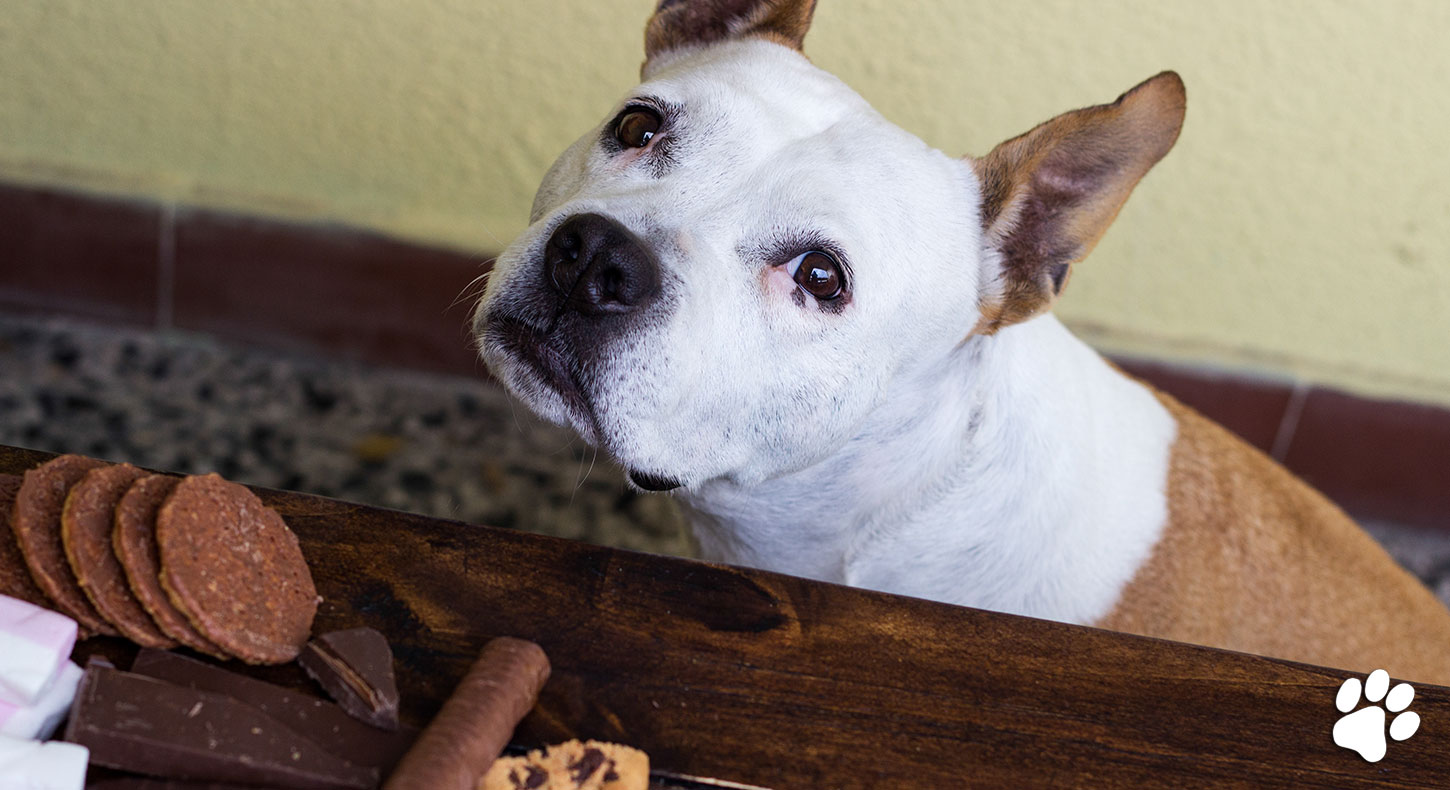
Chocolate contains theobromine and caffeine, which dogs metabolise poorly. Dark chocolate and baking chocolate are particularly toxic.
Signs may include vomiting, tremors, elevated heart rate and seizures.
Cats are less commonly affected because they are less likely to consume chocolate voluntarily, but exposure is still possible.
Xylitol
Xylitol is an artificial sweetener found in sugar-free gum, lollies and some peanut butters.
In dogs, even very small quantities can cause a rapid drop in blood sugar and, in some cases, liver failure.
This is an emergency situation requiring immediate veterinary care.
Grapes and Raisins
The exact toxic mechanism remains unclear, but ingestion can lead to acute kidney failure in dogs.
There is no safe amount. Some dogs are more sensitive than others, and reactions are unpredictable.
Onions and Garlic
These can damage red blood cells, leading to anaemia.
Toxicity can occur with raw, cooked or powdered forms, including leftovers and gravies.
Human Medications
Medications intended for people are one of the most common causes of pet poisoning.
Dogs may chew blister packs or consume tablets dropped on the floor. Cats may be exposed through well-intentioned but inappropriate dosing.
Paracetamol (Panadol)
Highly toxic to cats and dangerous for dogs at certain doses. It can cause liver damage and, in cats, damage to red blood cells.
Ibuprofen and Other Anti-Inflammatories
Can cause stomach ulceration, kidney failure and neurological signs.
Antidepressants and ADHD Medications
These can affect heart rate, blood pressure and neurological function.
Never administer human medication to a pet unless specifically directed by a veterinarian.
Garden and Outdoor Hazards
Autumn gardening and outdoor activity can increase exposure risks.
Lilies
All parts of true lilies are extremely toxic to cats. Even small exposures, such as pollen contact, can lead to acute kidney failure.
If a cat has been in contact with lilies, urgent veterinary attention is essential, even if no symptoms are present.
Cycads (Sago Palms)
Common in Australian gardens. All parts of the plant are toxic, especially the seeds.
Ingestion can cause severe liver damage.
Snail and Slug Bait
Some formulations contain metaldehyde, which can cause tremors, seizures and hyperthermia.
Toxic Mushrooms
After rainfall, mushrooms can appear rapidly in lawns and garden beds. Some species are highly toxic to dogs.
If a dog is seen consuming a mushroom, treat it as an emergency.
Household Products
Substances stored under sinks or in cupboards can pose serious risks.
Cleaning Products
Concentrated cleaners and disinfectants can cause chemical burns or gastrointestinal irritation if ingested.
Rodent Baits
Rodenticides may cause internal bleeding or neurological signs, depending on the formulation.
Secondary poisoning can also occur if a pet consumes a poisoned rodent.
Essential Oils
Some essential oils, particularly tea tree oil in concentrated forms, can be toxic to pets when ingested or applied topically.
Cats are particularly sensitive due to differences in liver metabolism.
What To Do If You Suspect Poisoning
If you believe your dog or cat has ingested or been exposed to a toxin:
- Contact Normanhurst Vet Practice immediately.
- If after hours, contact an emergency hospital such as NEVS or SASH.
- Call the Australian Poisons Helpline on 1300 869 738 for guidance while arranging veterinary care. It is worth noting that APH does charge a fee for a phone consultation ($65 at the time of publishing – April 2026),
- Bring packaging or details of the substance if possible.
Do not attempt to induce vomiting unless specifically instructed by a veterinary professional.
Do not wait for symptoms to appear before seeking advice.
Early intervention significantly improves outcomes.
Why Immediate Action Matters
With many toxins, there is a window of opportunity where treatment is most effective.
Delaying assessment can allow:
- Absorption of the toxin
- Organ damage
- Neurological complications
- Severe dehydration
Prompt veterinary care may involve decontamination, intravenous fluids, monitoring or specific antidotes where available.
Prevention Starts at Home
Simple steps can reduce risk:
- Store medications securely.
- Keep chocolate and sweets out of reach.
- Avoid planting toxic species in accessible areas.
- Supervise pets during garden maintenance.
- Secure bins and compost.
Awareness is one of the most effective preventative tools.
When to Seek Immediate Veterinary Care
Urgent assessment is required if your pet shows:
- Vomiting or diarrhoea after suspected exposure
- Tremors or seizures
- Collapse
- Difficulty breathing
- Sudden lethargy
- Pale gums
If you are unsure whether a substance is toxic, it is always safer to seek advice promptly.
Our team at Normanhurst Vet can provide immediate guidance during business hours, and we work closely with specialist emergency centres when advanced care is required.
When an emergency strikes, our team here at Normanhurst are available just by making a call to 02 9489 6000 between 8am and 7pm Monday through Friday; and at weekends: 8am – 4pm each Saturday, and 10am to noon on Sundays. Our mobile vet service is also available and may be helpful when an animal needs assistance in a hurry.