

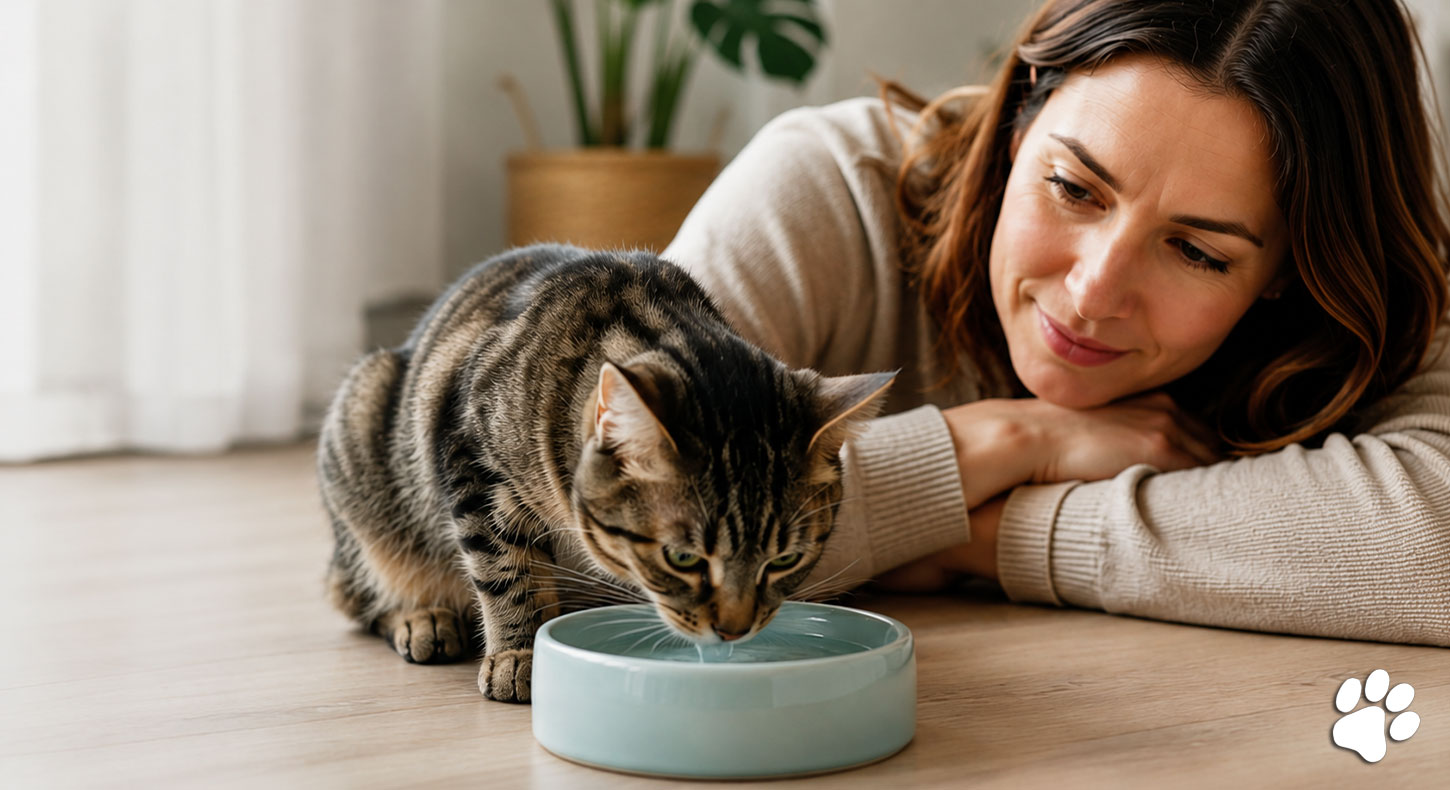
Is My Cat Drinking More Water Than Usual?
If you’ve recently found yourself refilling your cat’s water bowl more often, you’re not imagining things. While some changes in water intake are perfectly normal, persistent excessive thirst in cats can sometimes be an early sign of an underlying health condition.
Cats are naturally very good at hiding illness. In fact, many diseases develop gradually, with increased drinking being one of the first noticeable changes owners observe. Whether you’ve seen your cat spending more time at the water bowl, drinking from taps, or suddenly showing an interest in puddles outside, it’s worth paying attention.
The good news is that many of the conditions associated with increased thirst can be successfully managed, particularly when diagnosed early. At Normanhurst Vet Practice, we regularly investigate changes like these and help owners understand what’s normal, what’s not, and what to do next.
How Much Water Should a Cat Drink?
Healthy cats generally drink surprisingly little compared with dogs. This is because their ancestors evolved in arid environments, obtaining much of their moisture from prey.
As a very general guide, healthy adult cats drink around 40 to 60ml of water per kilogram of body weight each day, although this varies depending on several factors, including:
- Whether they eat mainly wet or dry food
- The weather
- Their activity level
- Pregnancy or nursing
- Individual metabolism
For example, a 5kg cat eating mostly wet food may drink very little from the water bowl, while a cat eating only dry food will naturally drink considerably more.
During Sydney’s warmer months, it’s also perfectly normal for cats to increase their water intake slightly.
The important question isn’t simply “How much is my cat drinking?” but rather “Has my cat started drinking noticeably more than they used to?”
Is My Cat Really Drinking More Water?
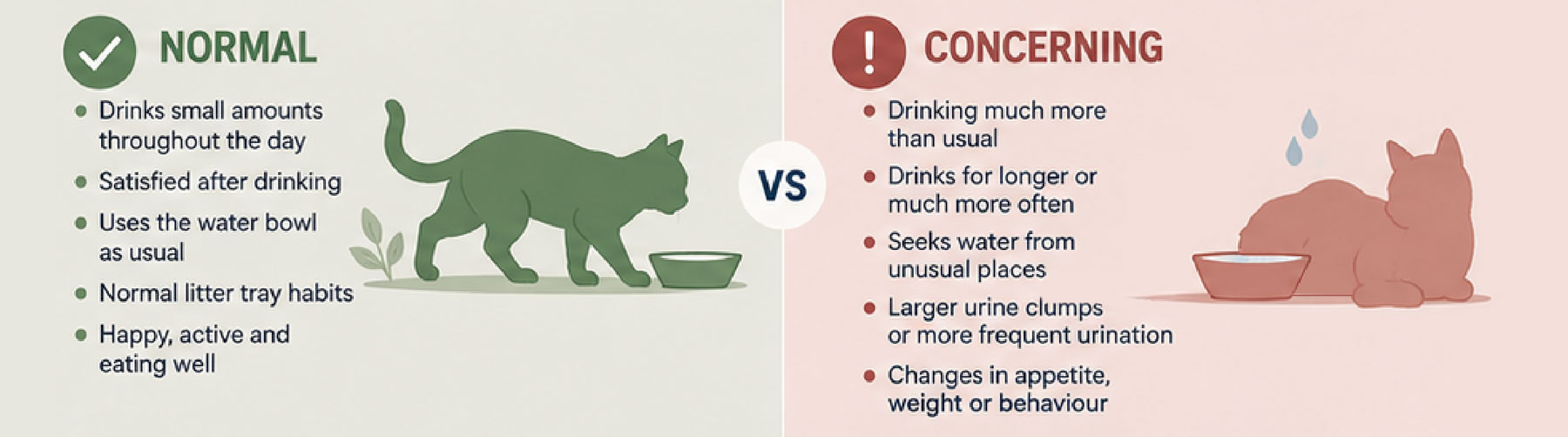
Because cats often drink small amounts throughout the day, increased thirst isn’t always obvious immediately. Many owners first notice subtle changes such as:
- Empty water bowls much sooner than usual
- Drinking from taps or the shower
- Seeking water from unusual places
- Spending longer at the water bowl
- Visiting the bowl much more frequently
- Producing larger clumps in the litter tray
- Asking for fresh water more often
These behavioural changes are often more useful than trying to measure exactly how much your cat drinks.
Why Is My Cat Drinking So Much Water?
If your cat is drinking lots of water consistently over several days, there are several possible explanations. Some are relatively harmless, while others require veterinary investigation.
The key is identifying the cause rather than making assumptions.
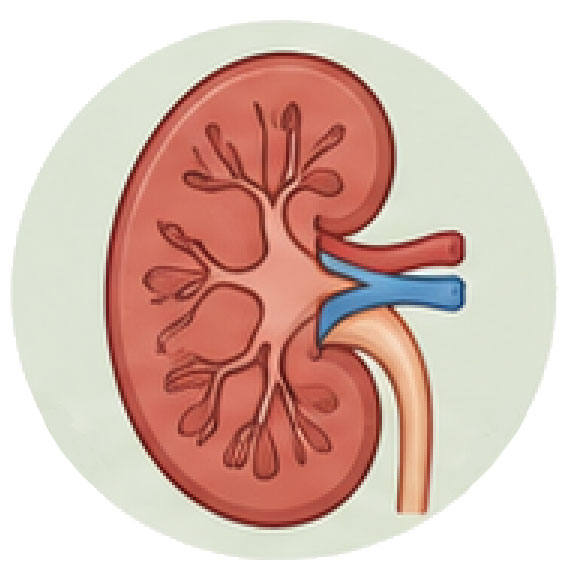 Chronic Kidney Disease
One of the most common reasons for a cat drinking more water is chronic kidney disease, particularly in middle-aged and older cats.
Healthy kidneys filter waste products while conserving water. As kidney function gradually declines, they lose the ability to concentrate urine effectively. To compensate, affected cats drink more water to replace what they’re losing.
Other signs of kidney disease in cats may include:
- Weight loss
- Reduced appetite
- Poor coat condition
- Vomiting
- Bad breath
- Increased urination
- Lethargy
Kidney disease cannot usually be cured, but early diagnosis often allows treatment that significantly improves both quality of life and longevity.
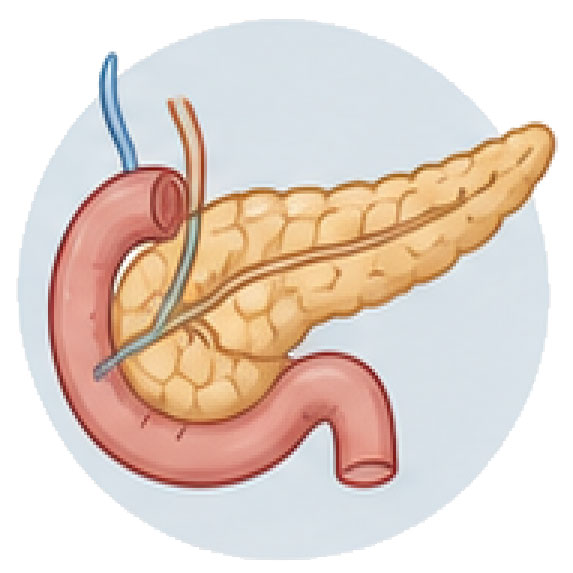 Diabetes Mellitus
Diabetes is another important cause of excessive thirst in cats.
When blood glucose levels become too high, the kidneys attempt to remove the excess sugar through the urine. Water follows this sugar, causing increased urination and, consequently, increased thirst.
Common diabetes in cats symptoms include:
- Drinking much more than normal
- Frequent urination
- Weight loss despite eating well
- Increased appetite
- Reduced energy
The encouraging news is that many diabetic cats respond very well to treatment, and some even achieve diabetic remission with appropriate management.
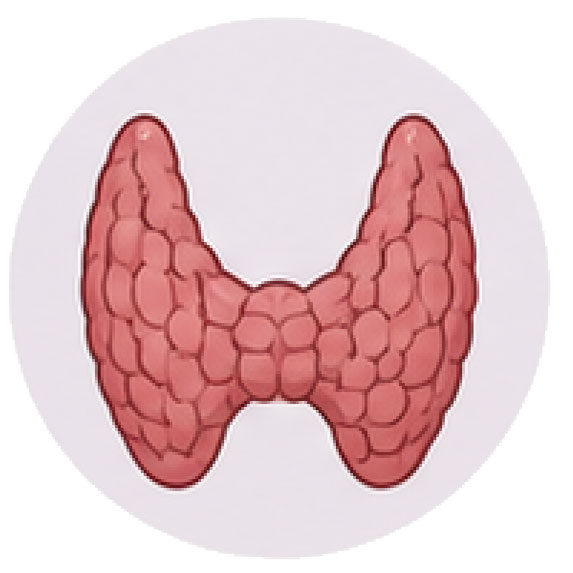 Hyperthyroidism
Hyperthyroidism is especially common in senior cats.
An overactive thyroid gland speeds up the body’s metabolism, increasing appetite, activity and often water consumption.
Cats with hyperthyroidism frequently show:
- Weight loss despite eating well
- Increased thirst
- Restlessness
- Vocalisation
- Increased heart rate
- Vomiting or diarrhoea
Fortunately, several effective treatment options are available once the condition has been diagnosed.
 Urinary Tract Conditions
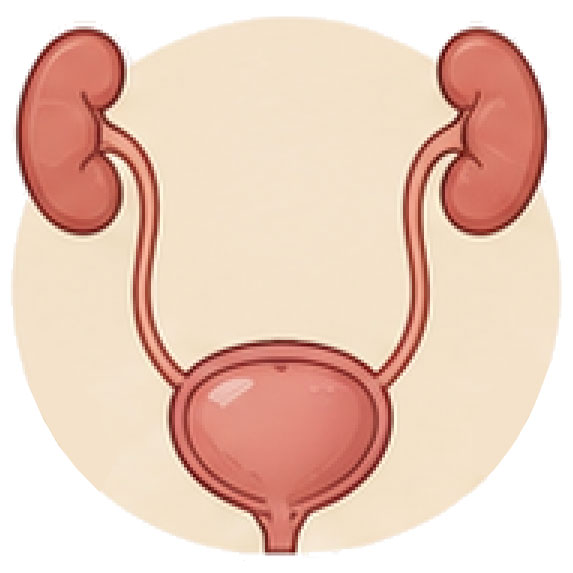
Some urinary tract diseases may also contribute to increased drinking.
Bladder infections are relatively uncommon in cats compared with dogs, but inflammation, urinary crystals and other urinary disorders can alter drinking and urination patterns.
If increased thirst is accompanied by:
- Frequent trips to the litter tray,
- Straining to urinate,
- Blood in the urine, or
- Crying while urinating,
your cat should be examined promptly.
Sometimes the Cause Is Less Serious
Not every cat drinking more water has a serious illness.
Other possible reasons include:
- Hot or humid weather
- Increased exercise or play
- A recent switch to dry food
- Certain medications, including corticosteroids
- Temporary dehydration
Even so, if the increased drinking continues for more than a couple of days or seems unusual for your cat, it’s worth arranging a veterinary examination.
Why Is My Older Cat Drinking More Water?
One of the most common questions we hear is:
“My older cat is drinking more water. Is that just part of ageing?”
The answer is no.
Age itself doesn’t cause increased thirst.
However, older cats are more likely to develop medical conditions that do, including:
- Chronic kidney disease
- Hyperthyroidism
- Diabetes
- High blood pressure
- Some cancers
Many owners understandably assume these changes are simply part of growing older, when in reality they may be early signs of a treatable disease.
If your senior cat’s drinking habits have changed, don’t dismiss it as old age. Early investigation often leads to better outcomes.
Other Signs to Watch For
Increased thirst rarely occurs in isolation.
Keep an eye out for accompanying changes such as:
- Weight loss
- Increased appetite
- Reduced appetite
- Vomiting
- Poor coat quality
- Sleeping more than usual
- Larger urine clumps in the litter tray
- Drinking from unusual places
- Bad breath
- Behavioural changes
Even subtle changes can provide valuable clues when your veterinarian is building a diagnosis.
How Do We Find the Cause?
One of the advantages of modern veterinary medicine is that we can often identify the underlying cause relatively quickly.
At Normanhurst Vet Practice, your consultation will usually begin with a detailed discussion about your cat’s recent behaviour and general health.
Depending on our findings, we may recommend:
- A full physical examination
- Blood tests
- Urine testing
- Blood pressure measurement
- Ultrasound or other imaging if required
These tests allow us to distinguish between common conditions such as kidney disease, diabetes and hyperthyroidism, ensuring your cat receives the most appropriate treatment as early as possible.
Should I Reduce My Cat’s Water Intake?
No.
If your cat is drinking excessively, never restrict their access to water.
Your cat is drinking for a reason. Preventing them from doing so may actually worsen dehydration and delay recognition of an underlying medical condition.
Instead, continue providing plenty of fresh, clean water while arranging a veterinary appointment.
When Should I Book an Appointment?
It’s always worth contacting your veterinarian if you’ve noticed your cat drinking significantly more water than usual for more than a day or two.
Seek prompt veterinary advice if increased thirst occurs alongside:
- Weight loss
- Vomiting
- Reduced appetite
- Lethargy
- Changes in urination
- Difficulty urinating
- Weakness or collapse
These signs don’t necessarily indicate an emergency, but they do warrant investigation.
Early Answers Often Lead to Better Outcomes
Your cat won’t tell you when something feels different, but they often leave subtle clues.
A water bowl that empties faster than usual, larger clumps in the litter tray, or repeated trips to the tap may not seem dramatic, but they can be the first signs that something deserves attention.
At Normanhurst Vet Practice, we’re here to help you understand those changes. Whether the cause turns out to be something simple or a condition requiring ongoing management, early diagnosis gives your cat the best opportunity for effective treatment and a happy, comfortable life.
If you’ve noticed your cat drinking more water than usual, we’d be happy to help. Our experienced veterinary team can investigate the cause and guide you through the next steps with practical advice and compassionate care.
Frequently Asked Questions
Why is my cat drinking so much water?
Increased thirst can be caused by hot weather, a change in diet, medications, kidney disease, diabetes, hyperthyroidism or urinary tract conditions. If the change continues for more than a couple of days, it’s worth booking a veterinary examination.
How much water should a cat drink each day?
Most healthy cats drink approximately 40 to 60ml of water per kilogram of body weight daily, although this varies depending on their diet, age, activity level and the weather.
Does kidney disease make cats drink more water?
Yes. Kidney disease commonly causes cats to drink and urinate more because damaged kidneys cannot concentrate urine effectively.
Can diabetes cause excessive thirst in cats?
Yes. One of the classic diabetes in cats symptoms is increased thirst, often accompanied by increased urination, weight loss and a healthy or increased appetite.
Why is my older cat drinking more water?
Older cats are more likely to develop conditions such as chronic kidney disease, diabetes and hyperthyroidism, all of which commonly increase water consumption. Increased thirst should never be assumed to be a normal part of ageing.
Should I stop my cat drinking so much water?
No. Never restrict your cat’s access to water. Instead, arrange a veterinary examination to determine why they are drinking more than usual.